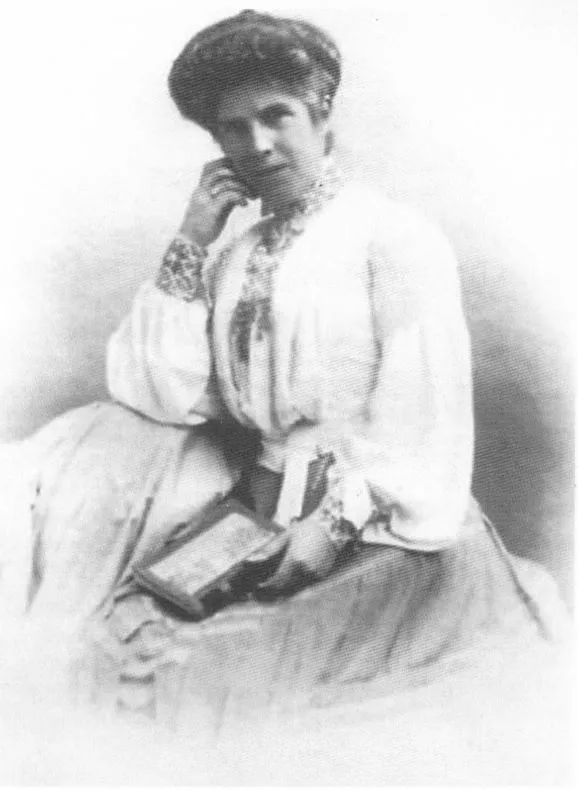
Ellen Willmott was a fascinating figure in 19th-century gardening. Can you believe she was one of just two women to receive the RHS Victoria Medal of Honour in its very first year in 1897. The other recipient was the amazing Gertrude Jekyll.
Throughout her life, people admired Ellen for her incredible determination and meticulous gardening skills. Thanks to her family inheritance, she had the means to fully embrace her passion for gardening.
Her love for botany led her to collect plants from around the globe, and she even hired horticulturists to gather unique species for her. At one point, she managed a total of 104 garden staff! Ellen was well-known for her exciting hybridisation work, especially with narcissus.
Despite 200 plants carrying her name (usually as Willmottiae or Warleyensis), Ellen is now best remembered as the namesake of the Sea Holly Eryngium giganteum, or more commonly known as ‘Miss Willmott’s Ghost’. Inextricably linked to a 1980s myth that Willmott would roam the countryside carrying seeds in her pockets to spread this thorny but beautiful plant.
After her death in 1934, the house became derelict and the grounds left untouched. Eventually the majority of the house was demolished and many of the plants died or were ‘taken’ from the site.
Fortunately, the Essex Wildlife Trust took a lease on the site in 1977 and, with many local volunteers, the site has slowly been brought back to life. A trip to the site at any time of the year is a treat, but particularly in the spring when the the mass of Snowdrops and Daffoldils are on show.
To keep the memory of Ellen alive, the Essex Plant Heritage Group decided to establish a collection of plants named after her and Warley Place. The aim is to have as many of these plants that are still available at Warley Place, with members of the Essex Plant Heritage Group supporting the site by maintaining a parrallel collection.
Why Collect?
Every piece tells a story—join me in celebrating the beauty and history behind each find.